
Leading Waterproofing Products for Concrete Foundations to Ensure Structural Integrity
Choose from the most reliable waterproofing options designed to maintain your foundation's strength and prevent water-related problems.
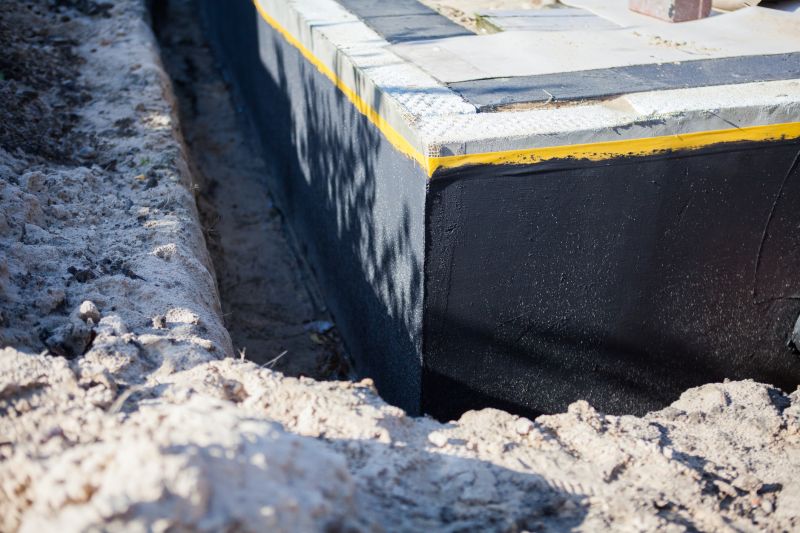 Concrete foundation waterproofing is a crucial aspect of maintaining the integrity and longevity of a building. Proper waterproofing prevents water infiltration that can lead to structural damage, mold growth, and interior water issues. There are various products available designed to create a barrier against moisture, each suited for different applications and conditions. From liquid coatings to sheet membranes, understanding the options helps homeowners and contractors select the most appropriate solutions for their specific needs.
Top Overall Option
Liquid Rubber Waterproof Coating
Liquid rubber waterproof coatings are versatile, durable, and easy to apply, forming a seamless membrane that adheres well to concrete surfaces. They provide flexible, waterproof protection suitable for both foundation walls and floors, resisting cracking and weathering over time. This type of coating is often favored for its ease of application and ability to conform to irregular surfaces, making it a reliable choice for various waterproofing needs.
Types of Products For Concrete Foundation Waterproofings
Liquid Waterproof Coatings
Fluid-applied membranes that form a seamless, flexible barrier when dried, ideal for irregular surfaces and cracks.
Sheet Membranes
Pre-formed sheets made from bituminous or rubber materials that are adhered to the foundation surface for waterproofing.
Cementitious Waterproofing
Mixes of cement and waterproofing compounds that are applied directly to concrete surfaces for a durable barrier.
Bituminous Coatings
Asphalt-based coatings that provide a thick, protective waterproof layer suitable for below-grade foundations.
Polyurethane Coatings
High-performance coatings offering excellent elasticity and adhesion, often used for sealing cracks and joints.
Liquid-Applied Membranes
Spray or brush-on membranes that create a continuous waterproof layer, adaptable to complex geometries.
Crack Injection Systems
Specialized resins injected into cracks to seal and reinforce the foundation structure.
Waterproofing Paints
Thin coatings that provide an initial layer of moisture resistance, often used as a supplement.
Drainage Boards
Protective panels installed on the exterior or interior to facilitate water drainage away from the foundation.
Sealants and Gaskets
Flexible materials used to seal joints, pipes, and penetrations in the foundation wall.
Polyurea Coatings
Fast-curing, highly elastic coatings providing waterproofing and protection against abrasion.
Vapor Barriers
Materials installed to prevent moisture vapor transmission through foundation walls and floors.
Epoxy Coatings
Strong, chemical-resistant coatings used to seal cracks and provide a waterproof surface.
Spray Foam Insulation with Waterproofing
Insulation combined with waterproofing properties, suitable for sealing gaps and preventing moisture ingress.
Hydrophobic Sealants
Sealants that repel water, used to treat cracks and joints for enhanced waterproofing.
Popular Choices
A flexible, easy-to-apply coating that creates a seamless waterproof barrier on foundation surfaces.
Thick asphalt-based coatings favored for their protective qualities on below-grade foundations.
Durable and easy to apply, suitable for a variety of concrete surfaces and repair projects.
High elasticity and adhesion make these coatings popular for sealing cracks and joints.
Pre-formed membranes that provide a reliable barrier, especially for large or complex foundation projects.
Effective for sealing existing cracks and preventing water intrusion through structural joints.
Simple coatings used as supplementary waterproofing measures on foundation walls.
Installed to improve water management and protect the foundation from hydrostatic pressure.
Popular for their rapid curing and high durability in demanding environments.
Commonly used for sealing penetrations and joints to maintain waterproof integrity.
Water-repelling sealants that enhance the waterproofing system's effectiveness.
Widely used to prevent moisture vapor transmission in foundation walls and slabs.
Valued for their strength and chemical resistance, often used in repair and sealing applications.
Combines insulation with moisture resistance, suitable for sealing gaps and preventing leaks.
Applying waterproofing products correctly can significantly extend the life of a foundation. These products are formulated to adhere to concrete surfaces, resist water penetration, and withstand environmental factors such as soil pressure and temperature fluctuations. Many modern waterproofing systems also provide flexibility, allowing movement without cracking or losing effectiveness. When choosing a product, it's essential to consider the specific conditions of the site, such as soil type, drainage, and exposure to water sources.
In addition to the product type, installation method and durability are important factors. Some waterproofing solutions require professional application for optimal results, while others are suitable for DIY projects. Proper surface preparation, including cleaning and repairing cracks, is vital before applying any waterproofing material. Regular inspection and maintenance of the waterproofing layer can help identify potential issues early, preventing costly repairs later on.
Ultimately, selecting the right waterproofing product involves balancing effectiveness, ease of application, and long-term performance. Consulting with a foundation specialist or waterproofing expert can provide insights tailored to your specific project. Whether you are waterproofing a new foundation or repairing an existing one, understanding the available products and their features ensures a more informed decision, contributing to a dry and stable foundation for years to come.
Key Buying Considerations
- Compatibility with existing foundation materials and surfaces.
- Type of waterproofing product suitable for the specific application (interior, exterior, below grade).
- Ease of application, whether DIY or professional installation is recommended.
- Durability and resistance to environmental factors such as soil pressure, temperature changes, and water exposure.
- Flexibility of the waterproofing material to accommodate foundation movement without cracking.
- Ability to seal cracks and joints effectively to prevent water infiltration.
- Compatibility with drainage systems or additional waterproofing layers.
- Application thickness and coverage area to ensure complete protection.
- Curing time and any special preparation or safety requirements during installation.
- Long-term maintenance and inspection needs for sustained waterproofing performance.
- Resistance to chemical exposure, especially in industrial or harsh environments.
- Cost considerations balanced with the expected lifespan and performance.
- Certification or compliance with building codes and standards.
- Availability of compatible accessories like sealants, gaskets, and primers.
- Reputation and reviews of the waterproofing system or product type.
This content contains affiliate links which may earn a commission at no additional cost to you.