Get Vapor Barrier Installation
Local contractors offer vapor barrier installation services to prevent moisture problems in basements, crawl spaces, and other areas prone to mold and structural damage.
Property owners considering vapor barrier installation often seek practical solutions to improve indoor comfort and protect building structures. Proper vapor barriers can help prevent moisture buildup, reduce the risk of mold growth, and enhance the overall durability of a property. Exploring options from local contractors ensures that the work aligns with regional building standards and specific climate considerations, making it easier to plan and execute a project effectively.
For those evaluating different service providers, understanding the range of available expertise and experience is essential. Local contractors offer a variety of vapor barrier installation services tailored to different property types and needs. Continuing to explore and compare these options can help property owners find the right professionals to handle their project with confidence and care.
- Basement Renovations - when upgrading or finishing a basement, vapor barriers help prevent moisture issues.
- New Construction Projects - during building new structures, vapor barriers are essential for controlling humidity.
- Attic Insulation - when installing or replacing attic insulation, vapor barriers can protect against moisture buildup.
- Foundation Waterproofing - in areas prone to water intrusion, vapor barriers assist in managing moisture around foundations.
- Commercial Building Improvements - for commercial spaces requiring moisture control, local contractors can install effective vapor barriers.
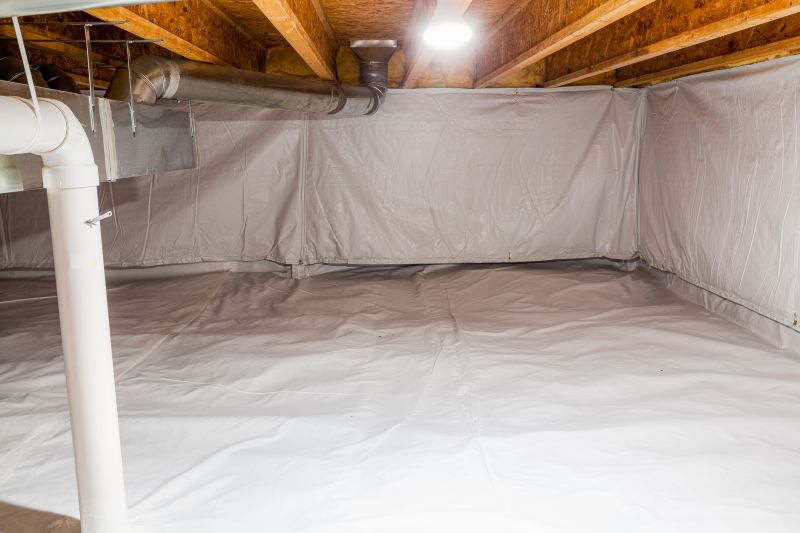
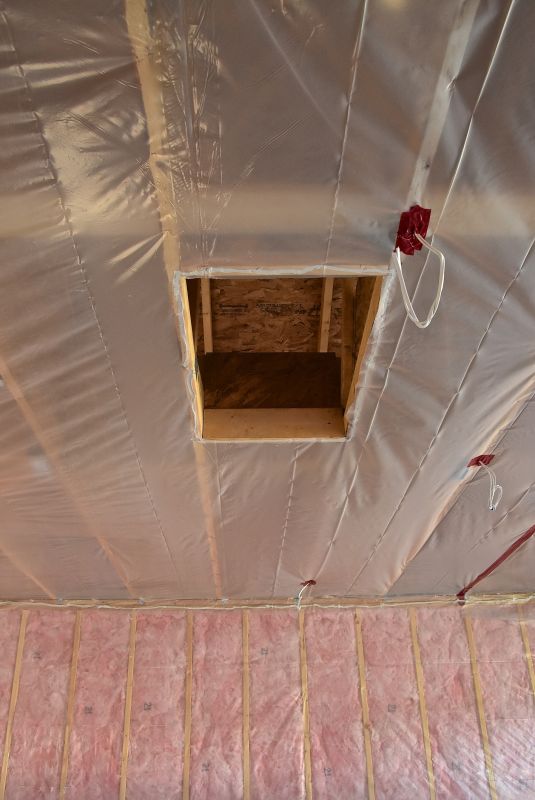
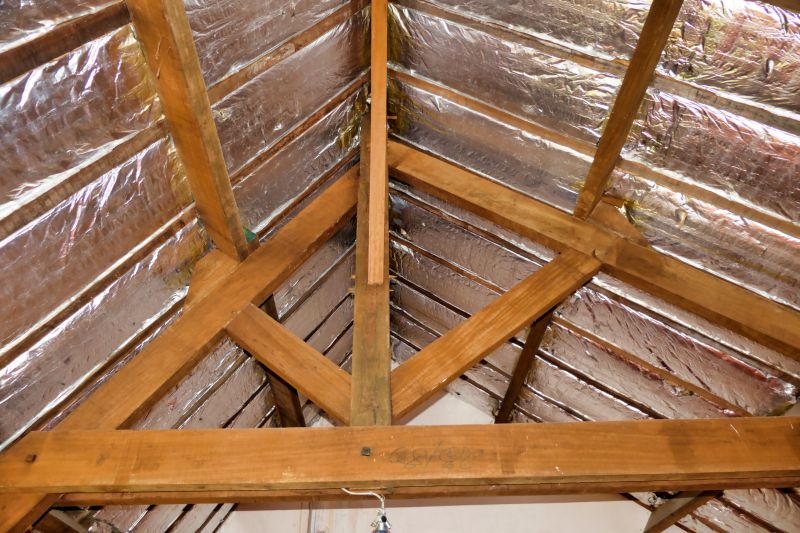
Vapor barrier installation involves placing a specialized barrier material, typically plastic sheeting or a similar product, in areas prone to moisture infiltration. This service is essential for preventing moisture from passing through floors, walls, and ceilings, especially in spaces like basements, crawl spaces, and attics. Proper installation helps control humidity levels, reduce mold growth, and protect structural components from water damage. Local contractors skilled in vapor barrier installation can assess the specific needs of a property and ensure the barrier is correctly placed to maximize its effectiveness.
Many common problems in homes are related to excess moisture and humidity, which vapor barriers can help mitigate. These issues include musty odors, visible mold growth, warped or rotting wood, and increased energy costs due to humidity-related insulation inefficiencies. Installing a vapor barrier creates a moisture-resistant layer that keeps damp air from penetrating building materials, ultimately helping to preserve the integrity of the property. Homeowners experiencing persistent dampness or mold issues often find vapor barrier installation to be a practical solution.
Vapor barrier services are frequently used in properties where moisture control is critical to maintaining a healthy and durable environment. This includes basements that are prone to flooding or dampness, crawl spaces that are difficult to keep dry, and attics where insulation can trap moisture. Commercial buildings, garages, and even some renovations of older homes may also benefit from vapor barrier installation. Service providers can evaluate the specific conditions of each property and recommend the best type of barrier and placement to address moisture concerns effectively.
Homeowners should consider vapor barrier installation when they notice signs of excessive moisture, such as condensation on windows, peeling paint, or persistent musty smells. It is also a recommended step during major renovations or foundation repairs to improve indoor air quality and protect the structure from water-related issues. Local contractors specializing in vapor barrier installation can provide the expertise needed to select the right materials and ensure proper installation. This service offers a practical way to improve comfort and durability in a variety of property types.
The overview below groups typical Vapor Barrier Installation projects into broad ranges so you can see how smaller, mid-sized, and larger jobs often compare in your area.
In many markets, a large share of routine jobs stays in the lower and middle ranges, while only a smaller percentage of projects moves into the highest bands when the work is more complex or site conditions are harder than average.
Smaller Repairs - Typical costs for minor vapor barrier repairs or patching range from $250 to $600. Many routine jobs fall within this middle range, depending on the extent of the work needed.
Standard Installations - Installing vapor barriers in a standard area usually costs between $1,000 and $2,500. Most projects of this size are completed within this range, with fewer reaching higher costs.
Full Replacement - Replacing an existing vapor barrier across an entire basement or crawl space can range from $3,000 to $7,000. Larger, more complex projects tend to push costs into the higher end of this spectrum.
Complex or Large-Scale Projects - Extensive vapor barrier installations in commercial or multi-unit buildings can exceed $10,000. These high-end projects are less common but involve significant planning and labor costs.
Actual totals will depend on details like access to the work area, the scope of the project, and the materials selected, so use these as general starting points rather than exact figures.
Basement Waterproofing Projects - installing vapor barriers is a key step in preventing moisture intrusion and protecting basement foundations.
Crawl Space Encapsulation - similar skills and materials are used to create a moisture-resistant barrier in crawl spaces to improve indoor air quality and prevent mold.
Concrete Floor Moisture Mitigation - applying vapor barriers beneath concrete slabs helps control moisture vapor transmission and protect flooring materials.
Roof and Attic Insulation Projects - proper vapor barrier installation is essential to prevent condensation and moisture buildup in roofing and attic spaces.
Foundation Wall Sealing - sealing and insulating foundation walls often involves installing vapor barriers to prevent moisture penetration.
Garage Floor Coating Preparation - vapor barriers are used to prepare garage floors for coatings by reducing moisture vapor emissions that can affect adhesion.
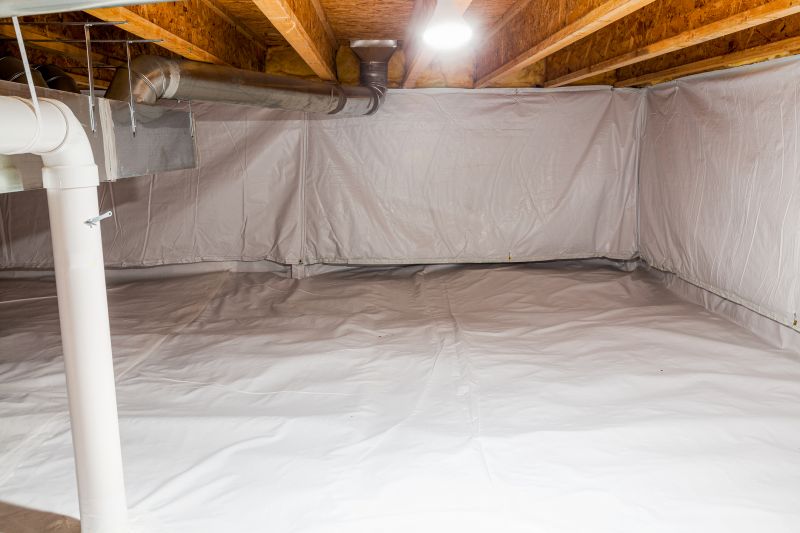
When comparing local contractors for vapor barrier installation, it’s important to consider their experience with similar projects. A contractor who has successfully handled installations in environments comparable to your home can offer insights into potential challenges and effective solutions. Look for providers who can demonstrate familiarity with your specific space, whether it’s a basement, crawl space, or other area, ensuring they understand the unique requirements of your project. This focus on relevant experience helps ensure that the work is performed efficiently and meets your expectations.
Clear written expectations are a crucial factor when evaluating potential service providers. A reputable contractor should be able to provide a detailed scope of work, outlining the materials to be used, the steps involved, and the estimated timeline. Having this information in writing helps prevent misunderstandings and ensures both parties are aligned on the project’s goals. It’s also helpful to ask how the contractor handles unforeseen issues or changes during the work, as transparency in communication can significantly impact the overall experience.
Reputable references and good communication are key indicators of a reliable local contractor. When considering different options, ask for references from past clients who had similar vapor barrier projects. Contact these references to learn about their experiences, including the quality of work, professionalism, and how well the contractor communicated throughout the process. A service provider who maintains open, responsive communication and provides clear, honest information can make the project smoother and more predictable. Remember, this site’s role is to introduce homeowners to local options, not to perform the work itself, so taking the time to research and compare these aspects can lead to a successful installation.
Property owners use Vapor Barrier Installation services for practical projects around their homes and businesses. This guide focuses on everyday jobs and straightforward project options.
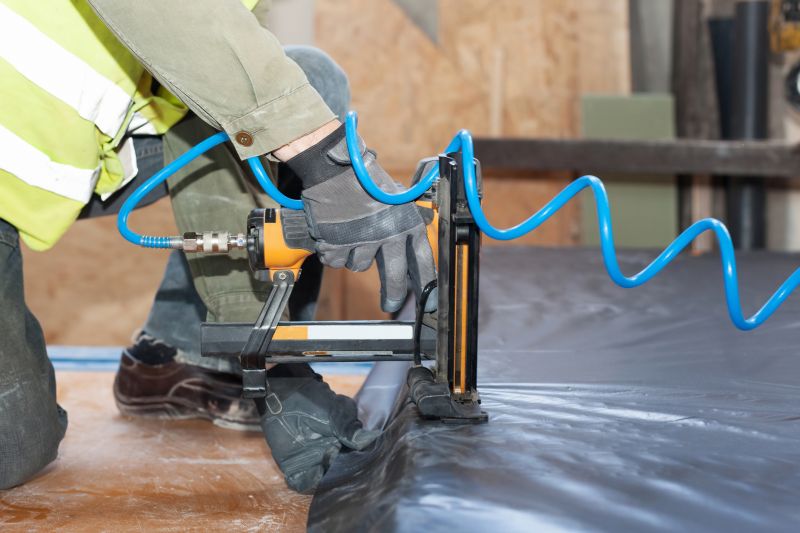
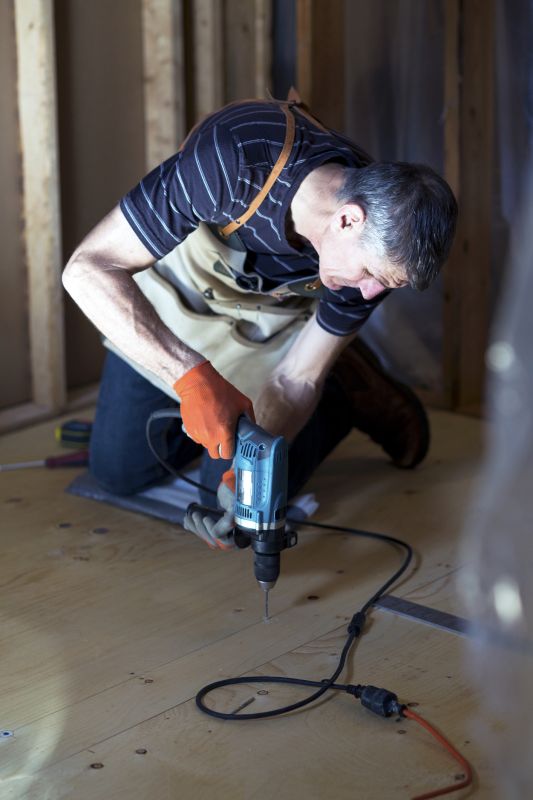
Vapor barrier installation is a common step in many property improvement projects, especially in areas prone to moisture issues. Homeowners and property owners might seek these services to help prevent mold growth, protect insulation, and improve indoor air quality. Local contractors experienced in vapor barrier work can address concerns related to damp basements, crawl spaces, or concrete slabs, ensuring that moisture does not compromise the structural integrity or comfort of the space.
In addition, property owners often look for vapor barrier installation when preparing a property for remodeling or renovation. Properly installed barriers can help reduce humidity levels and prevent issues caused by excess moisture, which is especially important in humid climates or older buildings. Local service providers can assess specific needs and recommend suitable solutions to keep properties dry, healthy, and well-maintained.
What is a vapor barrier and why is it important? A vapor barrier is a material installed to prevent moisture from passing through walls, floors, or ceilings, helping to reduce mold and structural damage caused by excess humidity.
Where can vapor barriers be installed in a building? Vapor barriers are typically installed in areas prone to moisture, such as basements, crawl spaces, attics, and underneath concrete slabs.
How do local contractors determine the best type of vapor barrier for a project? They assess the specific building conditions, climate, and moisture sources to select the most suitable vapor barrier material and placement.
What materials are commonly used for vapor barrier installation? Common materials include polyethylene plastic sheeting, foil-backed membranes, and other specialized moisture-resistant materials.
Why should I compare local service providers for vapor barrier installation? Comparing local contractors helps find experienced professionals who can recommend appropriate solutions and ensure proper installation for your specific needs.
Basement Waterproofing - Installing a vapor barrier can help prevent moisture buildup in basements, creating a drier and healthier space for storage or living areas.
Garage Floor Protection - Applying a vapor barrier under garage floors can reduce vapor transmission, protecting concrete and flooring materials from damage.
New Construction Projects - Incorporating vapor barriers during building or renovation projects can improve indoor air quality and prevent mold growth.
Attic Insulation Improvements - Adding vapor barriers in attics can help control moisture levels, enhancing insulation effectiveness and reducing potential damage.
If you are thinking about Vapor Barrier Installation for a property, this guide is meant to help you understand the work, the typical project types, and how different options might fit your plans.
When you are ready, you can use the quote form on this page to share a few details about your project. From there, local pros can review the basics and respond with options that match what you have in mind.